Jewelweed: The Natural First Aid Plant
Jewelweed: The Natural First Aid Plant
Jewelweed, also known as touch-me-not or Indian paint, is a common wildflower found in moist, shady areas throughout North America. It is known for its bright orange flowers and clear, sticky sap. This sap has been used for centuries by Native Americans and early settlers to treat a variety of skin conditions, including poison ivy, insect bites, and stings.
In recent years, jewelweed has gained renewed attention as a natural remedy for poison ivy. Studies have shown that the sap from jewelweed can help to reduce inflammation and itching, and may even speed up the healing process.
How does jewelweed work?
The active ingredients in jewelweed sap are thought to be alkamides. Alkamides are compounds that have anti-inflammatory and antibacterial properties. They work by blocking the production of histamine, a chemical that causes itching and swelling.
How to use jewelweed for poison ivy
To use jewelweed for poison ivy, crush the stem of the plant and apply the sap directly to the affected area. You can also make a poultice by mashing up the leaves and applying them to the skin.
If you are using jewelweed for the first time, it is best to test it on a small area of skin to make sure you do not have an allergic reaction.
Other uses for jewelweed
In addition to its use for poison ivy, jewelweed has also been used to treat a variety of other skin conditions, including:
- Hives
- Stinging nettle rash
- Athlete's foot
- Eczema
- Psoriasis
Jewelweed can also be used to treat mild digestive problems, such as diarrhea and indigestion.
How to collect and store jewelweed
Jewelweed is best collected in the spring or summer, when the plants are in bloom. To collect the sap, simply crush the stem of the plant. The sap will ooze out and can be applied to the skin immediately.
You can also store jewelweed sap by freezing it in ice cube trays. This will allow you to have a supply of jewelweed sap on hand all year round.
Safety precautions
Jewelweed is generally considered safe for most people when used topically. However, it is important to note that jewelweed can cause allergic reactions in some people. If you have any concerns, it is best to consult with a doctor before using jewelweed.
Conclusion
Jewelweed is a natural first aid plant that has been used for centuries to treat a variety of skin conditions. It is especially effective for poison ivy, and may also help to relieve the symptoms of other skin conditions, such as hives, stinging nettle rash, and athlete's foot.
Jewelweed is generally safe for most people when used topically. However, it is important to note that jewelweed can cause allergic reactions in some people. If you have any concerns, it is best to consult with a doctor before using jewelweed.
Jewelweed, also known as touch-me-not or Indian paintbrush, is a common North American wildflower that has been used for centuries to treat a variety of skin conditions. The sap from the plant's stem and leaves contains compounds that are thought to relieve itching and pain, making it a natural remedy for poison ivy, hives, and other skin irritations.
If you're interested in learning more about jewelweed and how to use it, I suggest visiting the website Garden Wiki. This website provides comprehensive information about the plant, including its history, medicinal properties, and how to identify it in the wild. You can also find recipes for making jewelweed salves, ointments, and teas.
FAQ of jewelweed
What is jewelweed?
Jewelweed, also known as touch-me-not, is a flowering plant native to North America. It is a member of the Balsaminaceae family, and its scientific name is Impatiens capensis. Jewelweed is a common sight in wet areas, such as swamps, marshes, and stream banks. It has bright orange or yellow flowers and smooth, trumpet-shaped leaves.
What are the benefits of jewelweed?
Jewelweed has a number of medicinal properties. It is most commonly used to treat poison ivy rash. The plant contains compounds that help to reduce inflammation and itching. Jewelweed can also be used to treat other skin conditions, such as eczema and psoriasis. Additionally, jewelweed has some antibacterial and antifungal properties.
How to use jewelweed?
Jewelweed can be used in a variety of ways. The fresh juice from the plant can be applied directly to the skin to treat poison ivy rash. Jewelweed can also be made into a tea, which can be drunk or used as a compress. Additionally, jewelweed extract is available in capsule form.
Is jewelweed safe?
Jewelweed is generally considered safe for most people when used as directed. However, it is important to note that jewelweed can interact with certain medications, such as blood thinners. It is always best to talk to your doctor before using jewelweed, especially if you have any health concerns.
Image of jewelweed
5 different images of jewelweed from Pinterest:
- Image 1: A close-up of a jewelweed plant with its distinctive orange and yellow trumpet-shaped flowers.
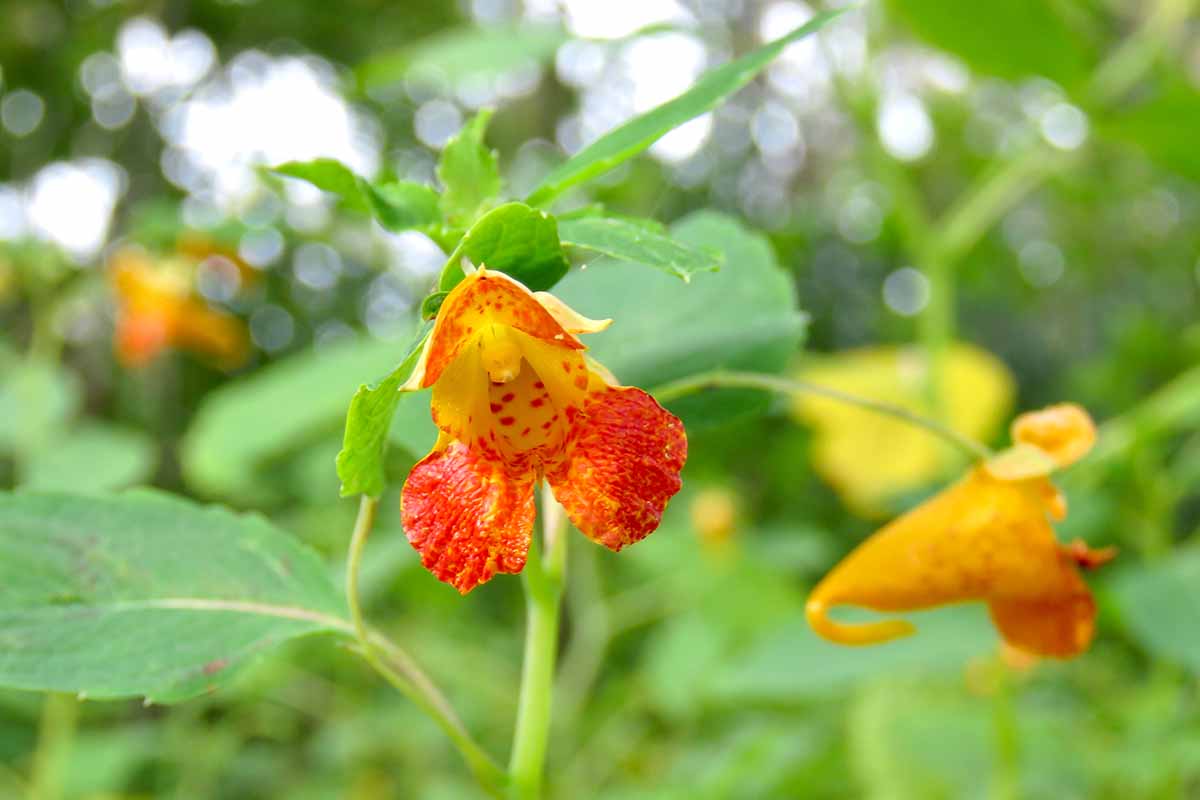
- Image 2: A cluster of jewelweed flowers growing in a shady spot.

- Image 3: A person holding a handful of jewelweed leaves and stems, which can be used to make a poultice for insect bites.
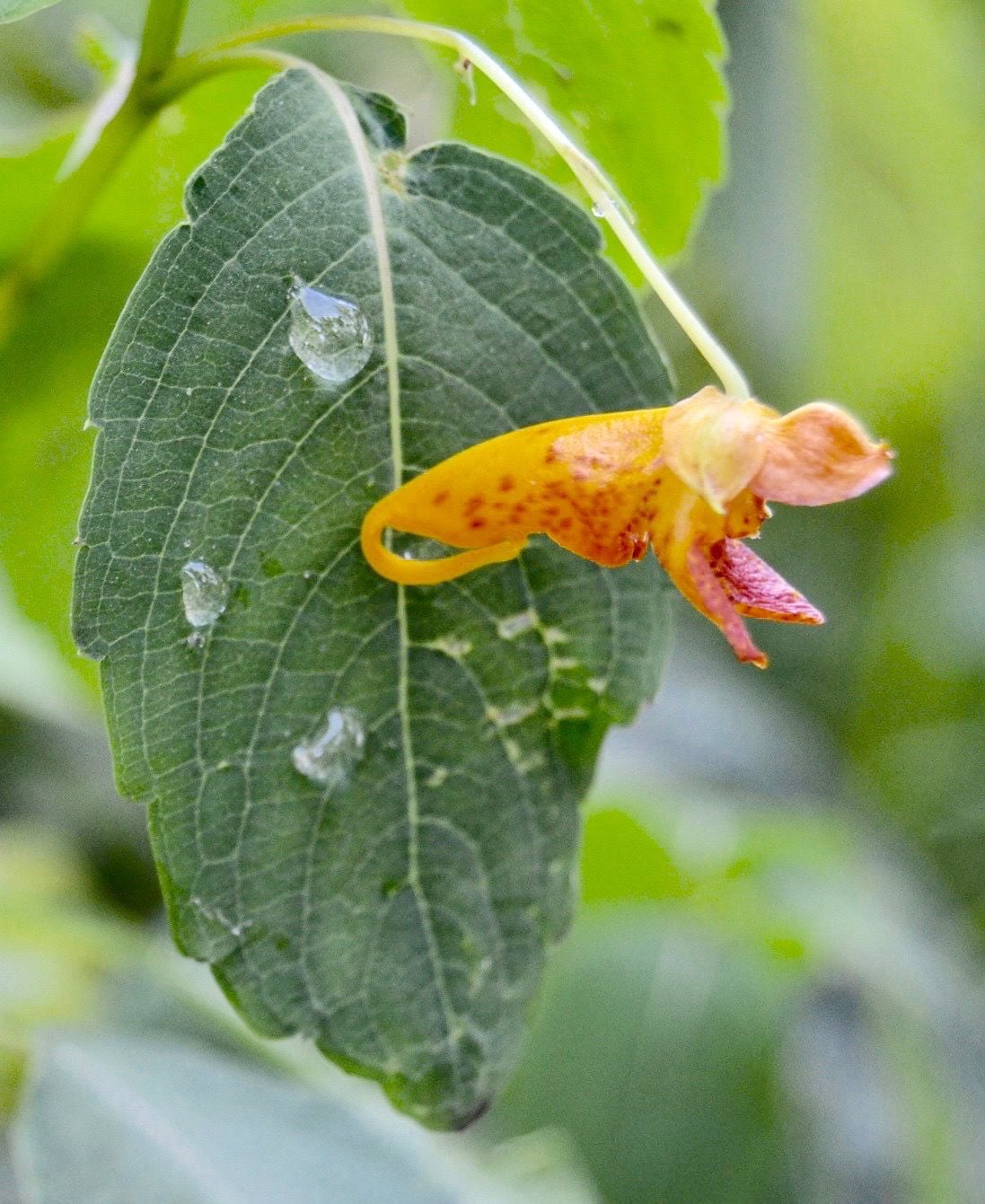
- Image 4: A jewelweed plant growing in a pond, its roots submerged in the water.
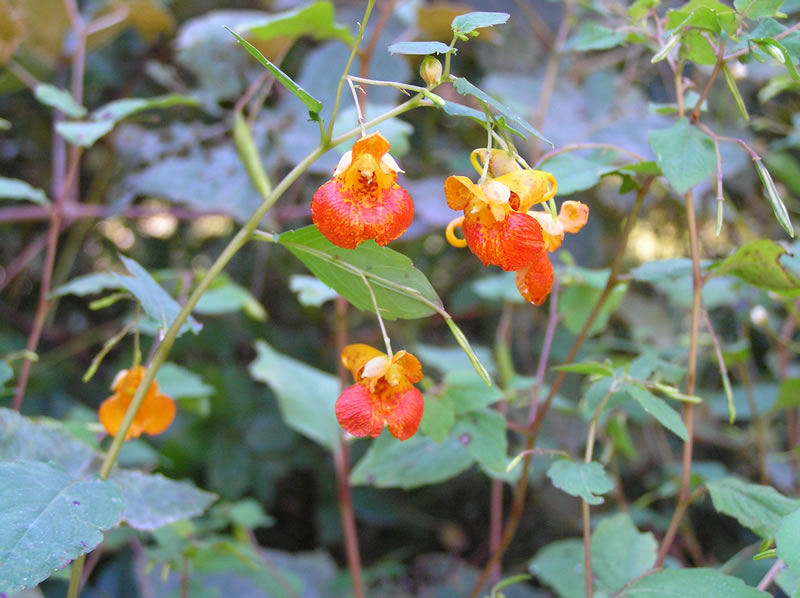
- Image 5: A jewelweed plant in its fall colors, with orange, yellow, and red leaves.

Post a Comment for "Jewelweed: The Natural First Aid Plant"