Aubergine Companion Plants: The Ultimate Guide To Growing Healthy Productive Aubergines
Aubergine Companion Plants: The Ultimate Guide to Growing Healthy Productive Aubergines
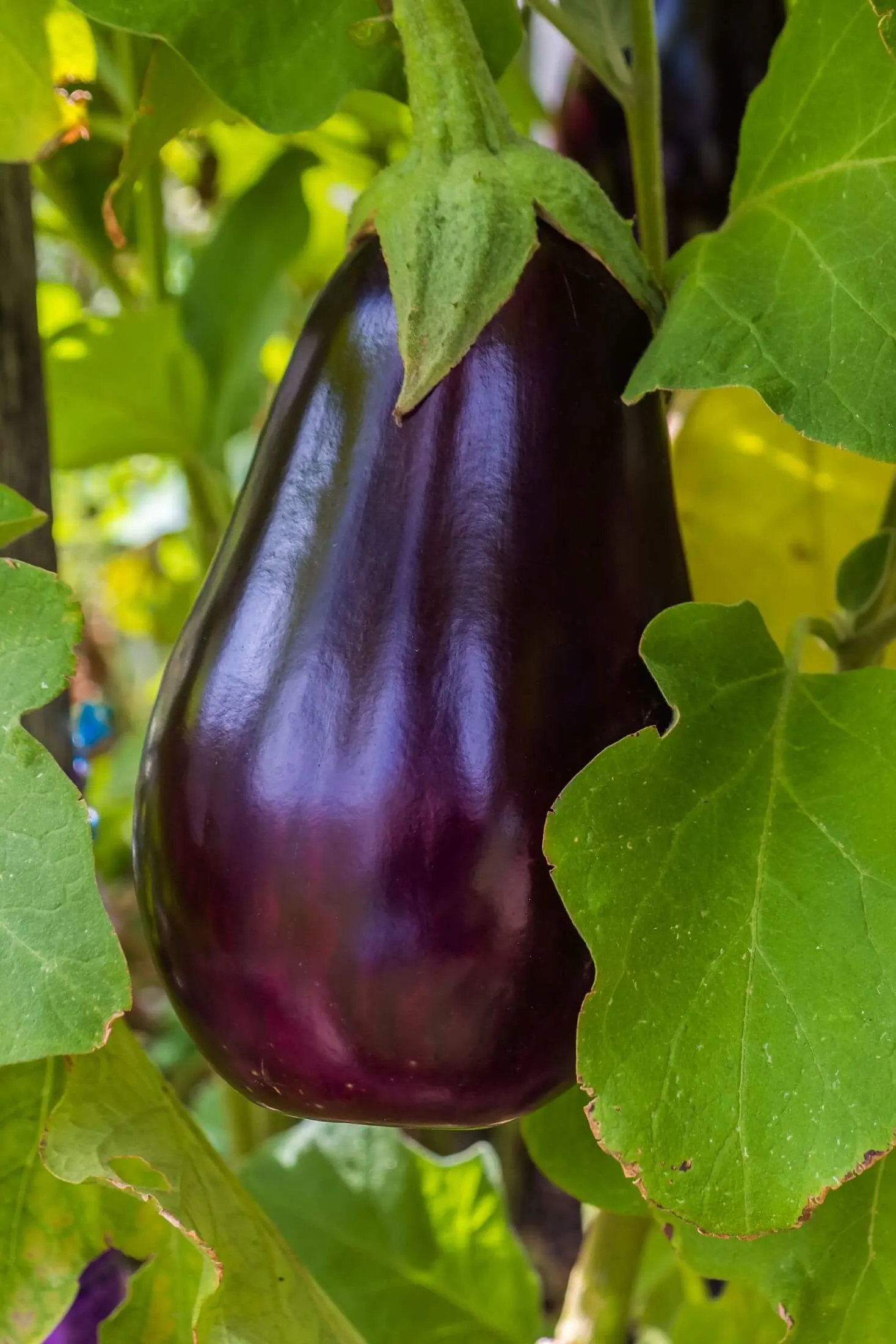
Aubergine, also known as eggplant, is a popular vegetable that is native to India and Southeast Asia. It is a member of the nightshade family, along with tomatoes, potatoes, and peppers. Aubergines are a good source of vitamins C and K, as well as dietary fiber.
When growing aubergine, it is important to choose the right companion plants. Companion planting is the practice of planting certain plants together in order to benefit each other. Some companion plants can help to deter pests, improve soil health, or provide shade.
Here are some of the best companion plants for aubergine:
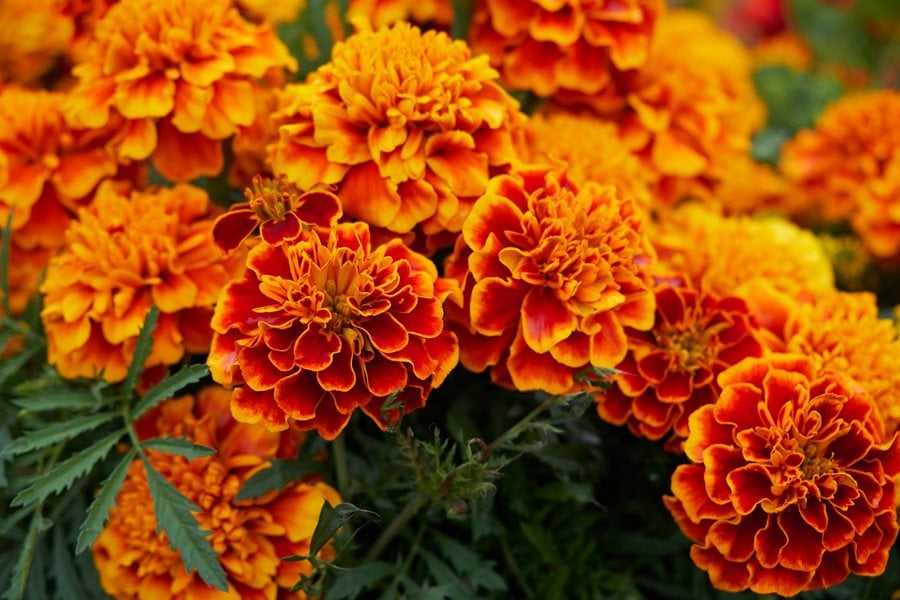
- Marigolds: Marigolds are known for their insect-repelling properties. They can help to keep away pests such as aphids, whiteflies, and beetles.
- Peas: Peas are legumes, which means that they can fix nitrogen in the soil. This can help to improve the fertility of the soil and provide aubergine with the nutrients it needs to grow healthy.

- Spinach: Spinach is a leafy green that can help to suppress weeds and improve soil aeration. It can also help to attract beneficial insects, such as ladybugs and lacewings.

- Lettuce: Lettuce is another leafy green that can help to suppress weeds and improve soil aeration. It can also help to attract beneficial insects, such as ladybugs and lacewings.
- Cucumbers: Cucumbers and aubergine can be planted together because they have similar growing requirements. They both need full sun and well-drained soil. Cucumbers can help to shade the roots of aubergine, which can help to prevent them from drying out.

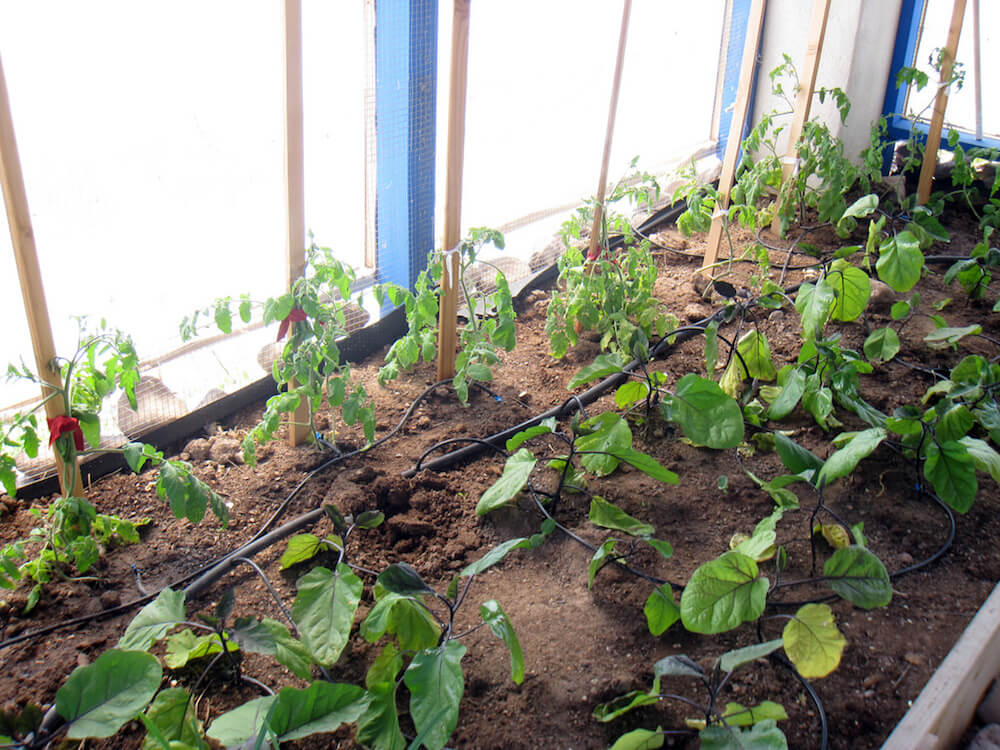
- Tomatoes: Tomatoes and aubergine can also be planted together because they have similar growing requirements. They both need full sun and well-drained soil. Tomatoes can help to attract pollinators, which can help aubergine to produce fruit.

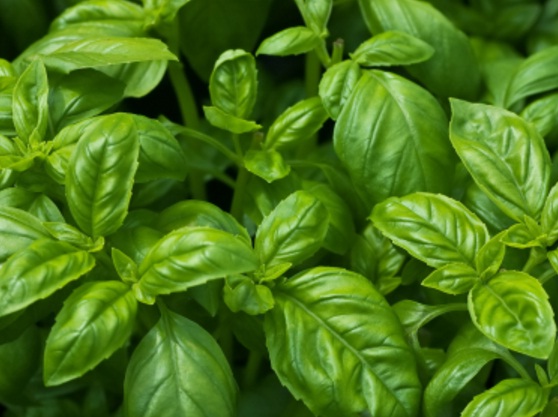
- Basil: Basil is a herb that can help to repel aphids and other pests. It can also improve the flavor of aubergine.
- Chives: Chives are another herb that can help to repel pests. They can also improve the flavor of aubergine.

There are also some plants that should not be planted near aubergine. These include potatoes, peppers, and fennel. These plants can compete with aubergine for nutrients and water, and they can also attract pests.
If you're growing aubergines in your garden, you'll want to make sure you're planting them with the right companion plants. Some great companions for aubergines include:
- Marigolds: Marigolds are known for their insect-repelling properties, and they can help to keep pests like aphids and whiteflies away from your aubergines.
- Onions: Onions have a strong scent that can help to deter pests, and they can also help to improve the flavor of your aubergines.
- Peas: Peas are nitrogen-fixing plants, which means they can help to improve the nitrogen content of the soil around your aubergines.
- Spinach: Spinach is a good companion plant for aubergines because it can help to shade the soil and prevent it from drying out.
- Tomatoes: Tomatoes are another member of the nightshade family, and they can help to improve the flavor of your aubergines.
For more information about aubergine companion plants, be sure to visit Gardenia Inspiration. This website has a comprehensive list of companion plants for aubergines, as well as information about the benefits of companion planting.
FAQ of aubergine companion plants
- What are good companion plants for aubergines?
Aubergine (also known as eggplant) is a member of the nightshade family, so it can be planted with other nightshades like tomatoes, peppers, and potatoes. These plants have similar growing requirements and can help to deter pests. Other good companion plants for aubergines include:
- Cauliflower
- Broccoli
- Cabbage
- Lettuce
- Curled lettuce
- Spinach
These plants help to attract beneficial insects, improve soil drainage, and suppress weeds.
- What are bad companion plants for aubergines?
Aubergine should not be planted near fennel, as this can stunt its growth. It should also be avoided planting near beans, as they can attract the same pests.
- How far apart should aubergines be planted?
Aubergine plants need plenty of space to grow, so they should be planted at least 2 feet apart. If you are growing them in a container, make sure the container is at least 12 inches deep and 18 inches wide.
- How much sun do aubergines need?
Aubergine plants need full sun, at least 6 hours of direct sunlight per day. If you live in a hot climate, you may need to provide some shade during the hottest part of the day.
- How much water do aubergines need?
Aubergine plants need regular watering, but they should not be overwatered. The soil should be kept moist, but not soggy.
Image of aubergine companion plants
- Image 1: Aubergine and beans. Beans are nitrogen-fixing plants, which means they add nitrogen to the soil. This can help aubergine plants to grow well.
- Image 2: Aubergine and garlic. Garlic is a repellent plant, which means it can help to keep pests away from aubergine plants.

- Image 3: Aubergine and nasturtiums. Nasturtiums are another type of repellent plant. They can also attract beneficial insects, which can help to control pests.

- Image 4: Aubergine and tomatoes. Tomatoes are another member of the nightshade family, and they can be planted together with aubergine. They have similar growing requirements and can help to support each other.
- Image 5: Aubergine and spinach. Spinach is a leafy green vegetable that can be planted in the same bed as aubergine. It doesn't require a lot of space and can help to shade the aubergine plants during hot weather.

Post a Comment for "Aubergine Companion Plants: The Ultimate Guide To Growing Healthy Productive Aubergines"